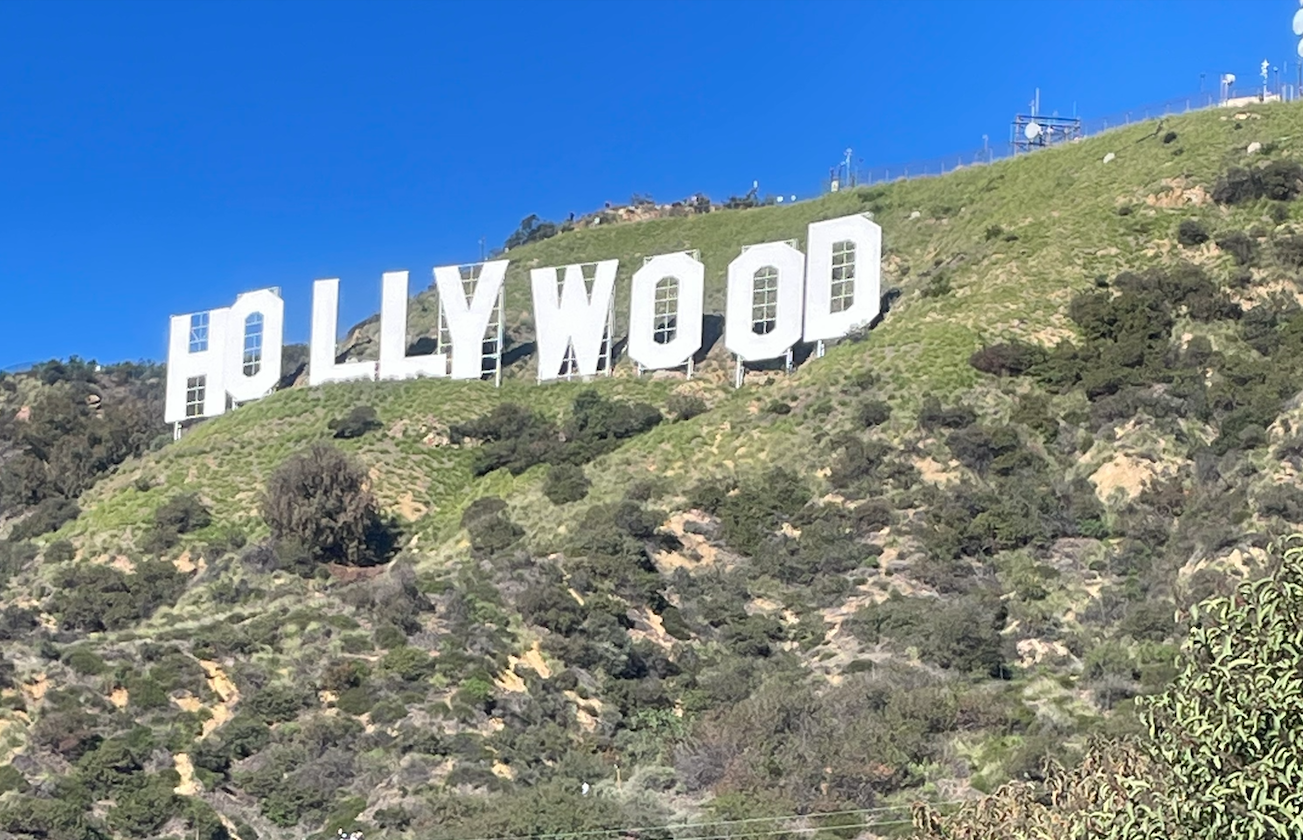
The Hollywood Sign is one of the most photographed landmarks in the world — and one of the most commonly photographed badly. After hundreds of trips to Griffith Observatory with guests from every country on earth, I've learned exactly when the light is right, where to stand, and what most tourists do that ruins an otherwise perfect shot.
This guide is the honest version. No generic travel tips. Just what I've learned from actually being there, repeatedly, in every season and every time of day.
The Short Answer: Early Morning Wins
If you only remember one thing from this article, make it this: arrive at Griffith Observatory before 10 AM. The light is better, the crowds are thinner, and the sign itself is sharper against the hillside before the haze builds up over the basin.
8 AM – 10 AM
Golden morning light. Low crowds. Sign is clear and sharp. Best for photos.
10 AM – 2 PM
Crowds build. Harsh overhead light flattens the sign. Still workable, less ideal.
3 PM – Sunset
Warm golden hour light. Sign faces away from the setting sun — better from some angles than others.
LA's notorious smog and haze builds throughout the day. A sign that looks crystal clear at 8 AM can look washed out and hazy by noon — even on a "clear" day. This is the single biggest reason early morning photos are consistently better than afternoon ones.
The Best Vantage Points
Most tourists make the mistake of thinking you have to hike to the sign to photograph it. You don't — and frankly, hiking to the base of the sign actually gives you the worst angle, because the letters look distorted up close. The best photos of the Hollywood Sign are taken from a distance.
Griffith Observatory — The Classic Shot
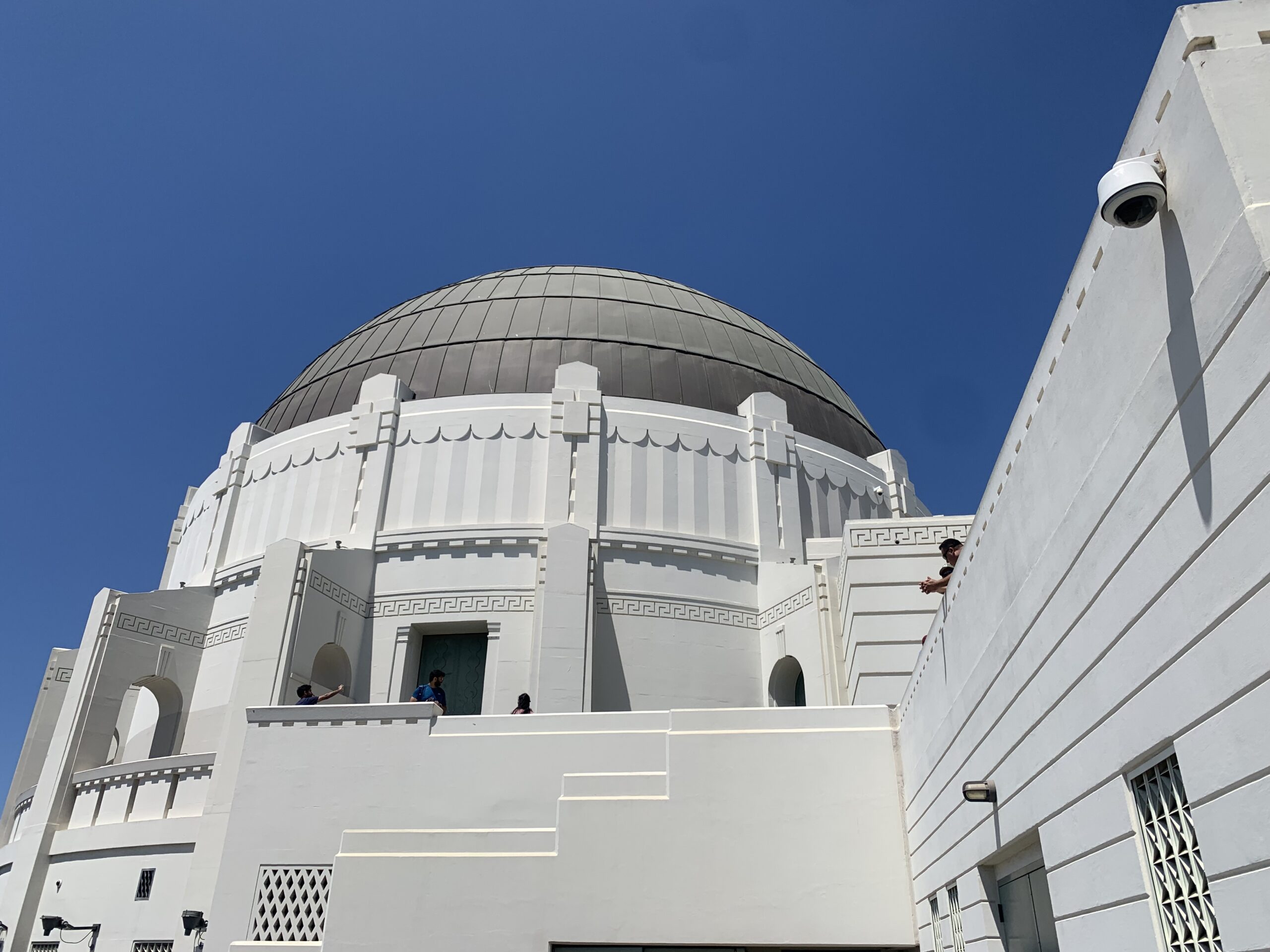
The lawn in front of the Observatory gives you the full sign against the hills, with the city below on clear days. This is the view most people have in their head when they picture the Hollywood Sign. Face northeast from the main lawn, keep the observatory dome out of frame, and you have the shot. Best in early morning when the sign is lit by direct sunlight.
The Hollywood Bowl Overlook
Less crowded than Griffith, and gives a slightly different angle that includes more of the surrounding hills. A short walk from a small parking area. Good option if you want a quieter experience.
Lake Hollywood Park
For the closest clear view without hiking, this small park gives you a straight-on shot of the sign with a reservoir in the foreground. Iconic composition. Gets crowded by mid-morning on weekends.
Mulholland Drive
For a wider LA skyline shot with the sign in context, various pullouts along Mulholland give stunning views. The sign appears smaller here, but the cityscape framing is spectacular at sunset.
What Most Tourists Do Wrong
- Arriving at noon — The harshest, flattest light of the day. Crowds are at their peak. The haze is at its worst. This is the least ideal time to visit, despite it being the most popular.
- Standing too close — Hiking to the base of the sign means you can't actually fit it in frame properly. Back up. Distance is your friend with the Hollywood Sign.
- Facing into the sun — The sign faces south. In the afternoon, the sun is behind the sign from most viewing angles, which means you're shooting into the light. Morning reverses this.
- Going on a cloudy day without checking the forecast — LA cloud cover in May and June (called "June Gloom") can obscure the sign entirely by midday, even when the morning looked perfect.
- Skipping Griffith Observatory for the hike — The observatory is free, has the best view, and takes zero effort to reach. The hike to the base is longer, harder, and gives worse photos. Most people who do the hike wish they hadn't.
Seasonal Differences
Winter (December–February) is actually excellent for Hollywood Sign photos. The air is cleaner after winter rains, the light is softer, and the hillsides are green instead of brown. Crowds are significantly smaller than summer. If you're visiting in winter, don't skip the Sign assuming the weather will be bad — LA winters are mild and often beautiful.
Spring (March–May) offers great conditions before the summer heat and haze set in. Green hills in March and April make for a more dramatic backdrop than the summer-dry brown hills.
Summer (June–August) is when most visitors come, but it's not the best for photography. High temperatures, significant smog, and the largest crowds. Go early — before 9 AM — if you're visiting in summer.
Fall (September–November) is arguably the best season overall. The Santa Ana winds clear the air in October and November, giving some of the sharpest, clearest views of the year. Golden hour light in fall is extraordinary.
See it in person — from the best angle
Our tours stop at Griffith Observatory in the morning, when the light is best and the crowds are thinnest. Hotel pickup from Anaheim included — no driving, no parking, no figuring out directions.
View Tour Details & Book →Frequently Asked Questions
Can you walk up to the Hollywood Sign?
You can hike to the area near the sign via Griffith Park trails, but you cannot touch or stand directly next to the sign — it's fenced off. The hike takes 2–4 hours round trip depending on the route. Most visitors find the views from Griffith Observatory equal or better with a fraction of the effort.
Is the Hollywood Sign lit up at night?
The sign is not permanently lit, but it is occasionally illuminated for special events and holidays. For regular visits, the sign is best photographed during daylight hours, particularly in the morning.
How far is the Hollywood Sign from Disneyland?
About 35–40 miles, which takes 45 minutes to 1.5 hours by car depending on traffic. On a guided tour from Anaheim, the Hollywood Sign stop at Griffith Observatory is typically the first stop of the day, arriving before crowds build up.
Is Griffith Observatory free?
Yes — the grounds and main building of Griffith Observatory are free to visit. Certain planetarium shows have admission fees, but the views of the Hollywood Sign and city from the lawn are completely free of charge.